







Cuba Implements Measures to Guarantee its Economic and Social Development
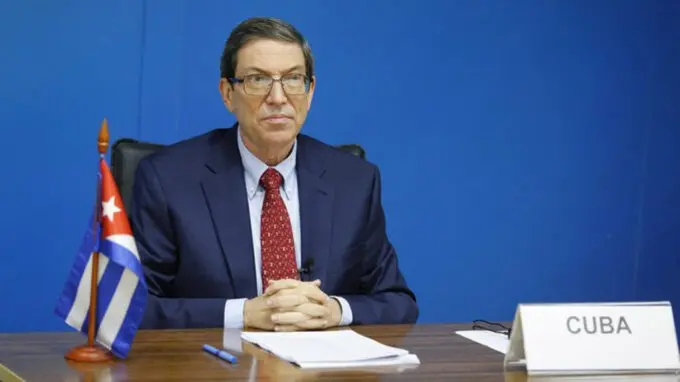
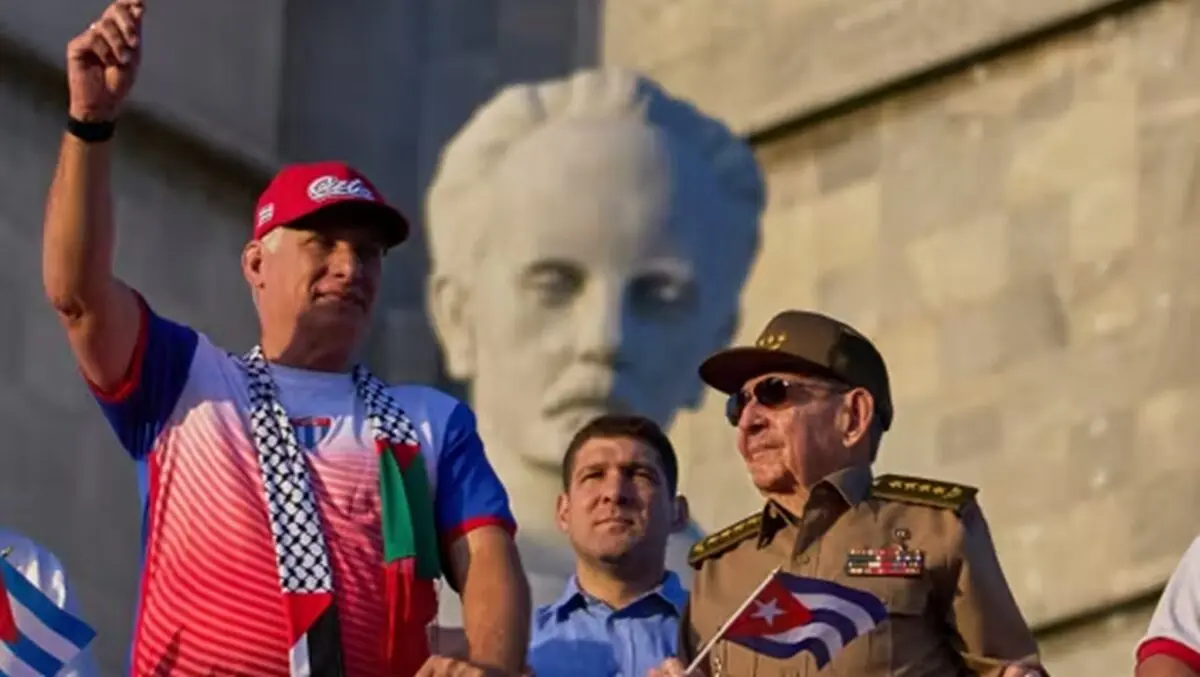
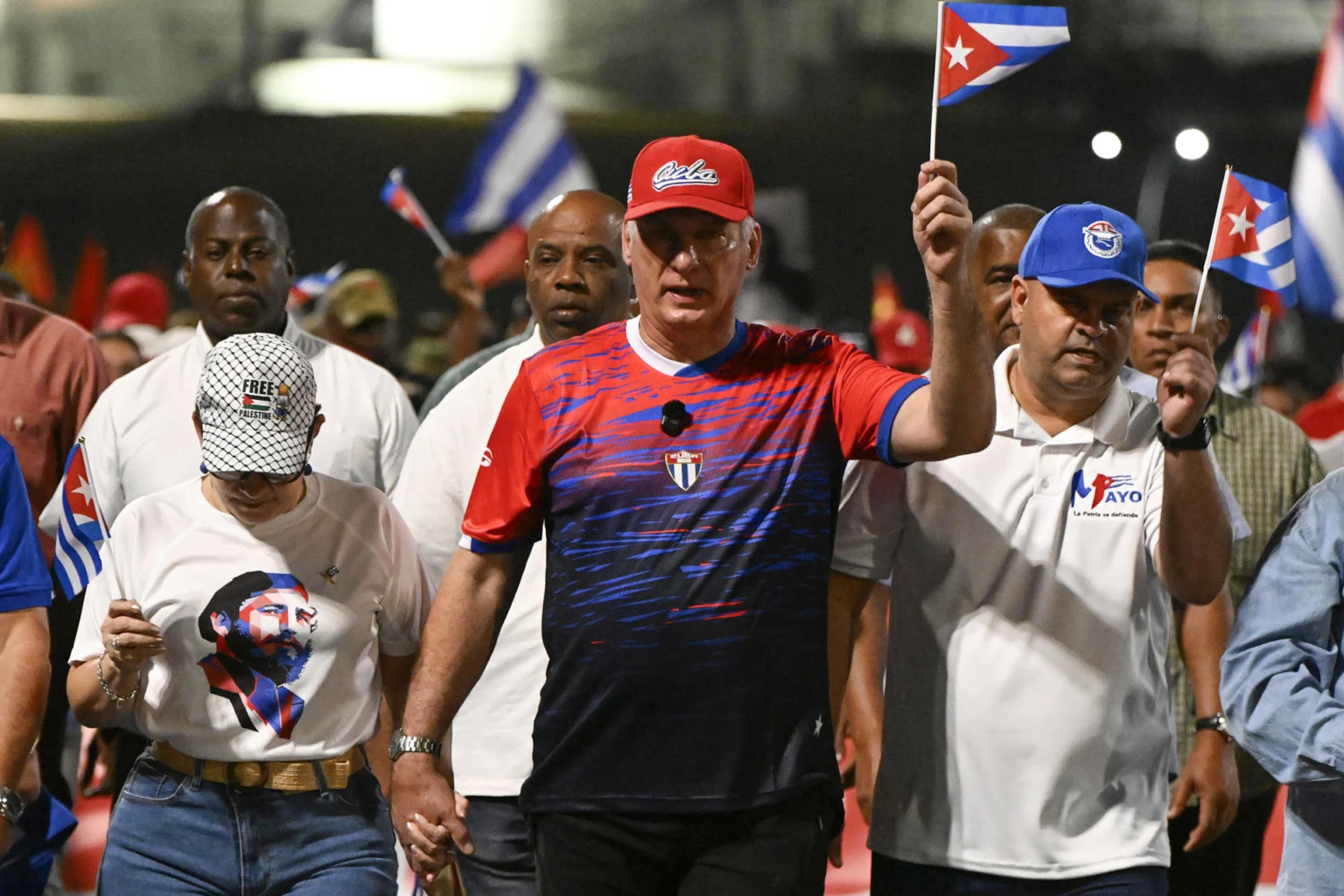
President Miguel Díaz-Canel announced a set of structural and economic reforms in Cuba aimed at boosting national production, attracting investment, and granting greater autonomy to state-owned enterprises and municipalities, as a strategic response to the U.S. blockade.
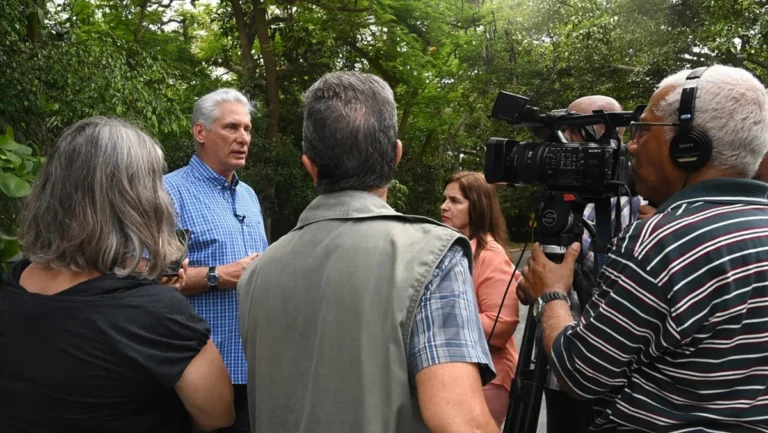
X/ @INRHCuba
June 12, 2026 Hour: 1:43 pm
🔗 Comparte este artículo
On Thursday, President Miguel Díaz-Canel announced a comprehensive package of measures aimed at boosting Cuban development, despite the crisis caused by the U.S. blockade.
RELATED:
Cuba Denounces Intensification of Oil Blockade After U.S. Sanctions on CUPET
He emphasized that Cuba designs its priorities from within, through thought and consensus, to move forward despite what “a fierce imperial blockade,” a policy that is having an impact that complicates the daily lives of Cubans.
Diaz-Canel referred first to defense preparations within a People’s War strategy. He also highlighted the Economic and Social Program for 2026 as the other major priority, which includes work on some twenty areas of transformation, following the public consultation held throughout the country.
The Cuban leader emphasized that the United States cannot forgive itself for the fact that, at this point, despite all the maximum pressure they have exerted, the Revolution continues to exist and the country continues to function, refuting the narratives about a supposed failed state that not even they themselves believe.
To stimulate national production, the president addressed the importance of breaking down barriers and eliminating old contradictions between the Plan, central planning, and incentives.
In this context, it was established that municipalities and state-owned enterprises, as key components of the national system, will have greater autonomy and powers for their own development, which includes direct authority in import and export matters.
One of the measures with the greatest media impact announced is that state-owned enterprises will be able to participate directly in the foreign exchange market. Similarly, the possibility will be enabled for socialist state-owned enterprises and all sectors to open real accounts in foreign currency at banks.
The announcement also included a restructuring of the State, the Government, the business sector, the Party, political organizations, and mass organizations throughout the country. Regarding this matter, a draft law has already been published on the National Assembly’s official website so that the public can comment and actively participate in the legislative process.
In the area of foreign trade, measures are planned to make it more dynamic. Díaz-Canel commented on a series of provisions aimed at exports and value chains, highlighting that those who import inputs or raw materials for production and service processes in Cuba will benefit from import tariffs.
These powers will also be transferred to the municipalities, thus simplifying the process. Furthermore, efforts are underway to expedite and incentivize the special economic partnership relationships already approved between state and non-state entities. Currently, a targeted process is being implemented to approve MSMEs, both state and non-state, that submitted their projects in the shortest possible time.
Regarding foreign direct investment, a series of measures have been implemented to incentivize it, related to surface rights, the elimination of obstacles, the use of bank accounts, and more streamlined approval processes to provide efficient responses.
In an innovative approach, two specific forms of investment by Cubans have been addressed: that of Cubans residing abroad and that of Cubans in Cuba. Both groups will be able to participate on equal footing as economic actors alongside foreign direct investment, state-owned enterprises, non-state entities, and cooperatives within the country’s productive network.
In the energy sector, Cuba is promoting the use of renewable energy sources across all sectors. In this regard, the president stated that they are committed to increasing electric mobility, both through the importation of equipment and through the assembly and manufacturing of various models in Cuba.
Restrictions on vehicle imports will be eliminated, with a focus on electric vehicles, while the country works on the installation of charging stations. In social matters, the country will eliminate product subsidies and subsidize individuals, aiming to leverage the social responsibility of each economic actor in supporting vulnerable people, families, and communities.
Regarding tourism, a different management approach will be implemented, moving beyond large chains and prioritizing real estate deals with non-traditional players. As for domestic trade, the goal is to efficiently manage existing but underutilized or underutilized resources.
“We have to achieve among ourselves, with our own effort and talent, not with external interference that does not want, in any way, what the Revolution has dreamed of for the people of Cuba”, President Díaz-Canel referred.
Author: HGV/JF
Source: @presidenciadecuba